Beyond the Credentials
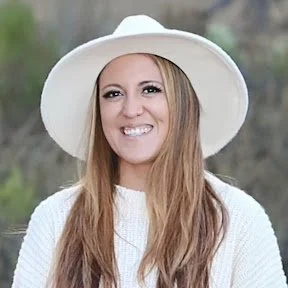
Hi, I’m Maricar Smith— a California-based Board Certified Behavior Analyst (BCBA) with nearly 15 years of experience in Applied Behavior Analysis across home, clinic, school, community, and telehealth settings.
Over the years, I’ve had the opportunity to work in many different roles within the field, from behavior technician to regional clinical manager, supporting individuals and families across the lifespan. Each of these experiences has shaped the way I view behavior support today: with curiosity, compassion, and a focus on understanding the whole person.
Throughout my career, I noticed something important — clinicians and caregivers who became stuck or burnt out often weren’t lacking dedication or care. More often, they needed support, collaboration, and space to work through the complexities that come with supporting others. I also saw the impact that overly intensive or mismatched services could have on the individuals receiving support, including children and teens who needed approaches that prioritized their unique needs, autonomy, relationships, and quality of life. Meaningful change happens when support is individualized, collaborative, and focused on helping people thrive.
That realization is what inspired me to create Beyond Behavior Collaborative.
My approach is rooted in behavior analysis, while also being influenced by my personal journey with yoga, mindfulness, and my training as a Certified Yoga Teacher (CYT-200). Through years of practicing yoga and exploring Acceptance and Commitment Therapy (ACT) principles, I have come to value the importance of awareness, flexibility, connection, and creating sustainable change.
My work focuses on honoring that foundation first — creating space for awareness, understanding, and collaboration so that growth can happen in a way that is sustainable and meaningful.
The Lotus Within represents this philosophy — the idea that growth can come from challenging experiences, and that meaningful change begins by looking beyond what we see on the surface.
I believe behavior is communication, and effective support starts with understanding the person, their environment, and the experiences that shape them.